As an Amazon Associate I earn from qualifying purchases. Picks are based on manufacturer specs, independent reviews and owner reports.
Our top picks
Short on time? Our top recommendation is the Keurig K-Elite Single Serve Coffee Maker.
Compare
At a glance
The traits that separate these picks, side by side.
| # | Product | Best for | Key feature | |
|---|
| 1 | | — | Temperature control across a 187 to 192 degree range | Check ↗ |
| 2 | | — | 19-bar pump pressure for true crema | Check ↗ |
| 3 | | — | Air-pressure immersion brewing | Check ↗ |
| 4 | | — | SCA-certified brew temperature of 198 to 205 degrees | Check ↗ |
| 5 | | — | Flat-bottom design with three small holes | Check ↗ |
| 6 | | — | 3 cup sizes: 8, 10, and 12 ounces | Check ↗ |
| 7 | | — | 12-cup carafe side plus K-Cup-compatible single-serve side | Check ↗ |
| 8 | | — | 1.6-quart capacity, roughly 6 servings of concentrate | Check ↗ |
| 9 | | — | Spiral ridges inside the cone for airflow | Check ↗ |
| 10 | | — | Precision gooseneck spout for controlled pouring | Check ↗ |
| 11 | | — | — | Check ↗ |
| 12 | | — | — | Check ↗ |
| 13 | | — | — | Check ↗ |
In depth
The 13 best, explained
Why each made the cut, where it falls short, and who should buy it.
Top pickKeurig
The highlights are 30-second brew time with zero grinding, measuring, or cleanup and strong brew setting genuinely improves K-Cup coffee, which is under-extracted by default.
- Temperature control across a 187 to 192 degree range
- Strong brew setting for bolder K-Cup extraction
- Built-in iced coffee mode
- Compatible with 500-plus K-Cup pod varieties
- 5 cup sizes from 4 to 12 ounces
✓ Pros
- 30-second brew time with zero grinding, measuring, or cleanup
- Strong brew setting genuinely improves K-Cup coffee, which is under-extracted by default
- Temperature control lets hotter-preference drinkers dial past the default 187 degrees
- 44,000 ratings at 4.6 stars, the deepest reliability record of any machine here
✕ Cons
- Coffee quality is capped by pod freshness, no amount of temperature tuning fixes stale grounds
- Large reservoir and footprint compared to true single-cup manual methods
Nespresso
The highlights are produces genuine espresso-style crema that K-Cup machines cannot replicate and 25-second brew is faster than the Keurig's heat-up cycle. The tradeoff: optimized for 40 to 80ml shots, not standard 8-ounce drip-style cups.
- 19-bar pump pressure for true crema
- 25-second heat-up time
- Compact footprint under 5 inches wide
- Automatic pod ejection
- Energy-saving auto shutoff after 9 minutes
✓ Pros
- Produces genuine espresso-style crema that K-Cup machines cannot replicate
- 25-second brew is faster than the Keurig's heat-up cycle
- One of the smallest machines in this list, fits on the narrowest counters
- Nitrogen-sealed pods stay fresher than K-Cups over long storage
✕ Cons
- Optimized for 40 to 80ml shots, not standard 8-ounce drip-style cups
- No milk frother included on the Mini, so lattes require a separate device
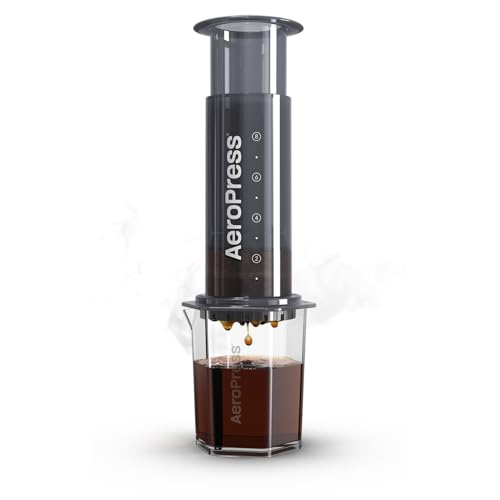
AeroPress
Produces a clean, low-acid cup with no bitterness even at high extraction
- Air-pressure immersion brewing
- 1 to 2 minute total brew time
- Brews directly into a mug or travel cup
- No electricity or heating element required
- Plunger self-cleans the chamber after each use
✓ Pros
- Produces a clean, low-acid cup with no bitterness even at high extraction
- Plunger sweeps the chamber clean, making cleanup faster than any drip machine
- Compact enough to pack in a travel bag, works anyw here boiling water is available
✕ Cons
- Requires manual technique: timing, grind size, and water temperature all matter
- Produces only one to two cups per session, not suited for entertaining
- Needs a separate kettle since it has no heating element
- Learning curve means the first few cups are inconsistent
Bonavita
Only SCA-certified machine at this price point, correctly extracting flavor from good beans
- SCA-certified brew temperature of 198 to 205 degrees
- Pre-infusion bloom mode
- 8-cup capacity sized correctly for 1 to 2 people
- One-touch operation with no programming needed
- Stainless steel thermal carafe
✓ Pros
- Only SCA-certified machine at this price point, correctly extracting flavor from good beans
- Bloom pre-infusion wets grounds evenly before full extraction, a step budget machines skip
- 8-cup basket size is properly proportioned for 1 to 2 cup brews, unlike 12-cup machines
- Thermal carafe keeps coffee hot without the burnt taste a hot plate produces
✕ Cons
- No programmable timer, must be started manually each time
- Plain, utilitarian design with no digital display
- Narrow carafe opening is harder to clean than a wide-mouth design
Kalita
Flat-bottom geometry produces more even extraction than cone-shaped drippers
- Flat-bottom design with three small holes
- Wave-shaped filter for consistent flow
- Brews 1 to 2 cups per session
- No electricity, works with any kettle
- Stainless steel construction
✓ Pros
- Flat-bottom geometry produces more even extraction than cone-shaped drippers
- Wave filter's consistent flow rate is more forgiving of pour technique than the Hario V60
- Stainless build survives drops that would crack a ceramic dripper
✕ Cons
- Requires a gooseneck kettle for the slow, controlled pour the method depends on
- Proprietary wave filters cost more per filter than standard cone filters
- No thermal retention, coffee cools quickly once brewed
Keurig
The highlights are 5-inch width is the smallest footprint of any single-serve machine in this guide and simple one-button operation with no settings to configure. The tradeoff: no temperature control or strong brew setting, unlike the K-Elite.
- 3 cup sizes: 8, 10, and 12 ounces
- Compact 5-inch-wide footprint
- Removable 36-ounce reservoir
- Compatible with all K-Cup pods
- Auto-off after 90 seconds idle
✓ Pros
- 5-inch width is the smallest footprint of any single-serve machine in this guide
- Simple one-button operation with no settings to configure
- 28,000 ratings confirm long-term reliability at this price
✕ Cons
- No temperature control or strong brew setting, unlike the K-Elite
- Only 3 cup sizes versus 5 on the pricier K-Elite
Cuisinart
Genuinely useful for one person living with others who drink a full pot
- 12-cup carafe side plus K-Cup-compatible single-serve side
- Independent brewing on each side
- Adjustable single-serve cup sizes
- Hot water on demand for tea or instant items
- Programmable 24-hour timer on the carafe side
✓ Pros
- Genuinely useful for one person living with others who drink a full pot
- Single-serve side works with any K-Cup and includes a reusable filter for ground coffee
- Two independent brewing systems mean no waiting for one to finish before using the other
- Programmable timer on the carafe side handles the household's morning routine automatically
✕ Cons
- Largest footprint in this guide by a wide margin, needs real counter space
- Two brewing systems means two things that can eventually need repair
- Single-serve side lacks the temperature and strength controls of a dedicated Keurig
Primula
6-quart capacity, roughly 6 servings of concentrate and Removable fine-mesh stainless steel filter. The tradeoff: requires 12 to 24 hours of lead time, not a same-morning solution.
- 1.6-quart capacity, roughly 6 servings of concentrate
- Removable fine-mesh stainless steel filter
- Airtight lid for refrigerator storage
- BPA-free plastic carafe
- 12 to 24-hour steep time
✓ Pros
- One batch yields nearly a week of concentrate for a solo drinker
- Fine-mesh filter eliminates sediment better than cheesecloth-based methods
- Airtight lid means the same carafe steeps and stores in the fridge
- Cold brew concentrate lasts up to 2 weeks refrigerated, longer than hot-brewed coffee
✕ Cons
- Requires 12 to 24 hours of lead time, not a same-morning solution
- Plastic carafe feels less premium than glass alternatives at a similar price
- Concentrate must be diluted, adding an extra step versus ready-to-drink coffee
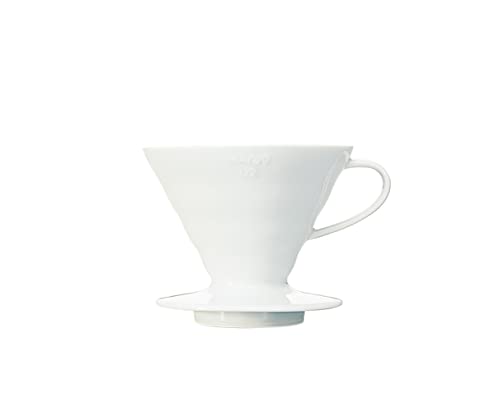
Hario
Spiral ridges create an air channel that improves extraction consistency versus flat-walled drippers
- Spiral ridges inside the cone for airflow
- Large single hole for pour-rate control
- Ceramic construction retains heat better than plastic
- Cone-shaped design accepts standard V60 filters
- Brews 1 to 4 cups depending on size
✓ Pros
- Spiral ridges create an air channel that improves extraction consistency versus flat-walled drippers
- Ceramic body holds heat noticeably better than the plastic version, keeping brew temperature stable
- Large single hole gives skilled pourers precise control over flow rate and extraction time
- 9,600 ratings at 4.7 stars reflect its status as the standard reference pour-over dripper
✕ Cons
- Steepest learning curve of any method here, technique-sensitive results
- Ceramic is fragile and will crack if dropped on a hard floor
- Requires a gooseneck kettle to get consistent results
COSORI
Gooseneck spout gives the slow, controlled pour that Kalita Wave and Hario V60 brewing require
- Precision gooseneck spout for controlled pouring
- 5 temperature presets from 135 to 212 degrees
- 0.8-liter capacity
- 60-minute keep-warm function
- 1200-watt element for fast heating
✓ Pros
- Gooseneck spout gives the slow, controlled pour that Kalita Wave and Hario V60 brewing require
- Temperature presets remove the guesswork of using a stovetop kettle with no gauge
- 1200 watts brings 0.8 liters to a boil in under 5 minutes
- 14,400 ratings at 4.7 stars, among the most trusted electric gooseneck kettles at this price
✕ Cons
- 0.8-liter capacity means reheating if brewing for more than 2 to 3 cups
- An added purchase on top of whichever dripper it pairs with
- Keep-warm function draws standby power if left on for the full hour
Keurig
A slim single-serve pod brewer under 5 inches wide that brews 6 to 12 oz cups.
✓ Pros
- Very narrow footprint
- Brews any size from 6 to 12 oz
- Fits travel mugs up to 7 inches
- Auto-off after brewing
✕ Cons
- Single cup reservoir; refill each time
- Pod costs add up
- Coffee strength is modest
Nespresso
A compact pod machine that brews espresso and several coffee sizes using barcode-read Vertuo capsules.
✓ Pros
- Espresso and coffee from one machine
- One-touch operation
- Compact design
- Fast heat-up
✕ Cons
- Only works with Vertuo pods
- Pods cost more than ground coffee
- No milk frother included in base model
Keurig
Keurig's simple pod brewer with three cup sizes, a strong-brew button and a 42 oz removable reservoir.
✓ Pros
- Brews 8, 10 or 12 oz cups
- Strong button for bolder coffee
- 42 oz reservoir means fewer refills
- Simple, affordable entry to K-Cups
✕ Cons
- Pod costs add up over time
- No temperature or iced settings
- Plastic build
How we chose these picks
Every pick below earned its place through documented strengths, verified specifications, consistent praise in reputable reviews, and owner-feedback patterns. We don't sell placements, and we don't invent test scores.
Mistakes buyers often make
- Buying on brand name alone instead of matching features to your actual use case.
- Overpaying for headline specs you'll never use, define must-haves first.
- Ignoring size — compatibility, and ongoing costs (filters, accessories, refills).
- Trusting star ratings without reading what owners compla in about after 6 months.
How to choose: the factors that matter
- Brew method fit — Drip for hands-off mornings, pour-over gear for control, espresso for milk drinks, French press for full body. Match the method to the coffee you actually drink.
- Temperature stability — The best drip machines hold 195–205°F through the brew. Underheated brewers make sour, weak coffee no grinder can fix.
- Grinder pairing — Whole beans + a burr grinder beat any brewer upgrade. If you buy pre-ground, prioritize brewers forgiving of grind inconsistency.
- Capacity — Thermal carafes keep coffee hot without a scorching hot plate. Single-serve suits solo drinkers; 10–12 cup for households.
- Cleaning and descaling — Removable water reservoirs and brew baskets get cleaned; fixed ones get neglected. Descaling alerts are genuinely useful.
The bottom line
If you want the short answer: the top pick above suits most buyers, the value pick suits tight budgets, and the specialist picks suit specific needs. Match the pick to your use case, not to the hype.
FAQ
Common questions
What are the best coffee makers for one person right now?
Our top pick is the Keurig K-Elite Single Serve Coffee Maker (top pick), because 30-second brew time with zero grinding, measuring, or cleanup. The runner-up is the Nespresso Essenza Mini Original Espresso Machine by Breville, followed by the AeroPress Original XL Coffee Press.
Is the Keurig K-Elite Single Serve Coffee Maker worth it?
For most buyers, yes. It ranks #1 in our coffee makers for one person research, though coffee quality is capped by pod freshness, no amount of temperature tuning fixes stale grounds.
Is a single-serve coffee maker or a small drip machine better for one person?
Depends on coffee quality priority vs convenience priority. Single-serve (Keurig, Nespresso): produces one cup in 30 seconds with zero setup, but K-Cup coffee tastes noticeably less fresh than whole-bean coffee ground for a drip machine. For a person who wants maximum convenience and does not prioritize the quality difference: Keurig. For a person who drinks one to two cups per day and wants the best coffee for their budget: a small 4 to 5-cup drip machine (Cuisinart 5-cup, Bonavita 5-cup) or a manual method (AeroPress, Chemex 3-cup) produces better coffee at lower per-cup cost.
What is the AeroPress and is it worth it for one person?
The AeroPress is a manual coffee brewing device that uses air pressure to push hot water through fine-ground coffee in 1 to 2 minutes. It produces a concentrated, low-acid coffee similar in strength to espresso when used with fine grind, or a standard cup strength when used with medium grind and more water. Its advantages: compact (fits in a travel bag), produces a clean cup with no bitterness even at high extraction, easy to clean (the plunger sweeps the chamber clean after each cup), and can brew into a travel mug directly. Its disadvantages: requires manual technique (timing, grind size, water temperature management), produces only one to two cups per session, and requires boiling water separately. For a person who enjoys the brewing ritual: the AeroPress is an excellent choice. For a person who wants automatic convenience: it is not the answer.
Is Nespresso worth it for one person?
The coffee quality from Nespresso Original pods is genuinely better than Keurig K-Cups, Nespresso pods are sealed with nitrogen and produce consistent crema and espresso-style flavor. For the person who wants espresso-style coffee (small, concentrated, with crema) at home without learning espresso technique: Nespresso Original is the best answer at its price. For the person who wants a standard-size cup of drip-style coffee: a drip machine produces better large-cup coffee at lower per-cup cost; Nespresso is optimized for 40 to 80ml espresso shots.
Can I brew just one or two cups in a 12-cup coffee maker?
Technically yes, but with quality trade-offs. A 12-cup coffee maker brewed with 1 to 2-cup portions produces weaker coffee because: the machine's showerhead distributes water over a filter basket sized for 8 to 12 cups of grounds; a small amount of coffee grounds in a large basket does not fill the water's contact path properly, producing thin, under-extracted coffee. The fix: use a coffee maker with an adjustable brew-strength setting or a small-batch setting (Hamilton Beach 1 to 4-cup mode, Cuisinart 1 to 4-cup mode on some models). Or use a small 4-cup machine that is properly sized for small batches. A 4-cup machine brewing 2 to 3 cups produces better extraction than a 12-cup machine attempting the same quantity because the filter basket size-to-grounds ratio is appropriate.
Keep researching
Related guides & comparisons